
Recovery and the nervous system
Cold plunges and saunas: sorting the recovery claims
Both have real physiological effects. The claims attached to them have outrun the trials, and in one case the timing matters more than the practice.
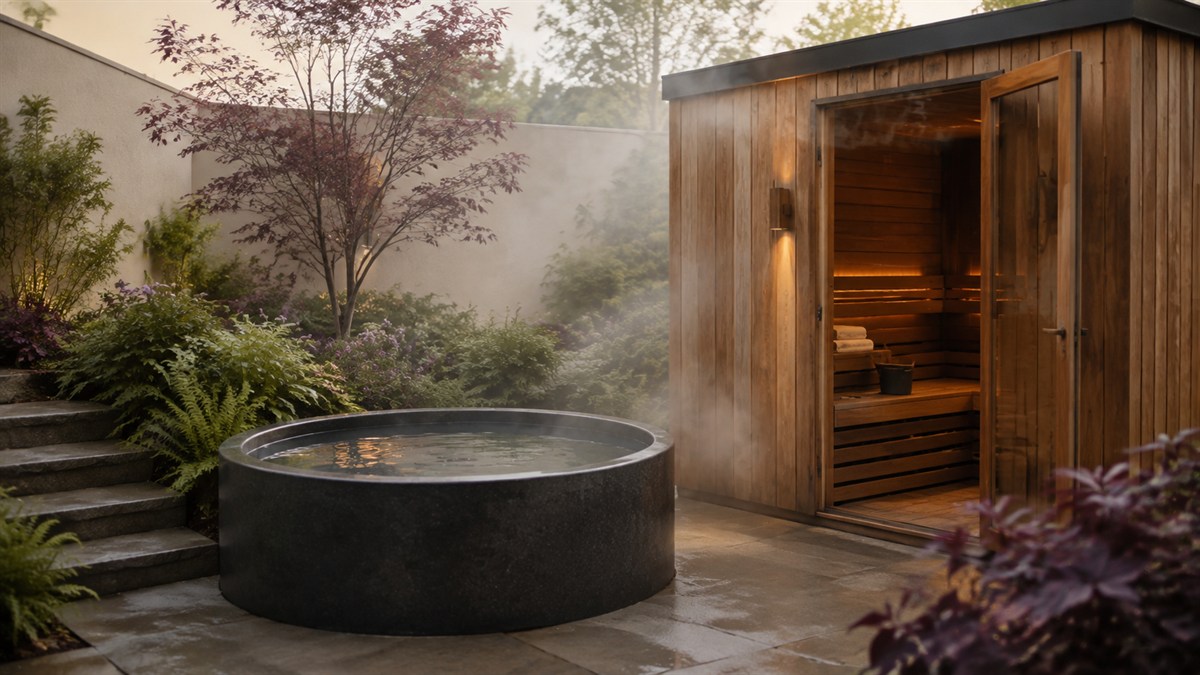
Thermal exposure is one of the few recovery practices with genuinely interesting physiology behind it. It is also one where a widely repeated recommendation is probably counterproductive for a specific group of people.
The short version
- Cold water immersion reduces perceived soreness reasonably consistently.
- Applied shortly after resistance training, it appears to blunt some of the adaptive signalling that training is meant to produce.
- Sauna use has interesting cardiovascular association data, mostly observational.
- For most people these are pleasant practices with modest effects, not foundational interventions.
Cold water immersion
The most reproducible finding is reduced perception of muscle soreness. That is genuinely useful when the priority is performing again soon, which is why it is common in competition settings and tournament play.
The complication is adaptation. Cold immersion applied shortly after resistance training appears to blunt some of the inflammatory and signalling response that drives muscle adaptation. If your goal is to get stronger rather than to compete tomorrow, plunging immediately after lifting may be working against you. Separating the two by several hours is the common recommendation.
Heat exposure
Regular sauna use has attracted attention from cohort studies reporting associations with lower cardiovascular mortality. Those are observational, from populations where sauna use is culturally normal, and confounding by general health status is difficult to exclude entirely.
The acute physiology is real: heat exposure raises heart rate, increases plasma volume over repeated exposure, and produces cardiovascular strain resembling moderate exercise. Whether that translates to the outcomes the cohort data suggests is not settled.
Where this fits
Both practices are pleasant, both have plausible mechanisms, and neither is close to the top of the list of things that determine recovery. Sleep duration and regularity, nutrition adequacy, and sensible training load management all matter more, and none photographs as well.
If you enjoy them, use them. Just do not expect them to compensate for a schedule that does not include enough sleep.
Common questions
How cold and how long?
Protocols in the literature vary widely and there is no established optimum. Extreme cold and long durations carry cardiovascular risk, particularly for anyone with existing heart disease. Ask a clinician first.
Does cold exposure boost metabolism meaningfully?
The effect on energy expenditure is real and small. It is not a weight management strategy.
Sources
- Five wellness trends actually making us feel better about 2026 — https://www.outsideonline.com/health/wellness/health-and-wellness-trends-2026/
- Best biohacking products in 2026 — https://www.mindlabpro.com/blogs/nootropics/biohacking-products