
Sleep architecture
What a sleep tracker can measure, and what it is guessing
Different sensors answer different questions. Knowing which is which prevents most misreadings.
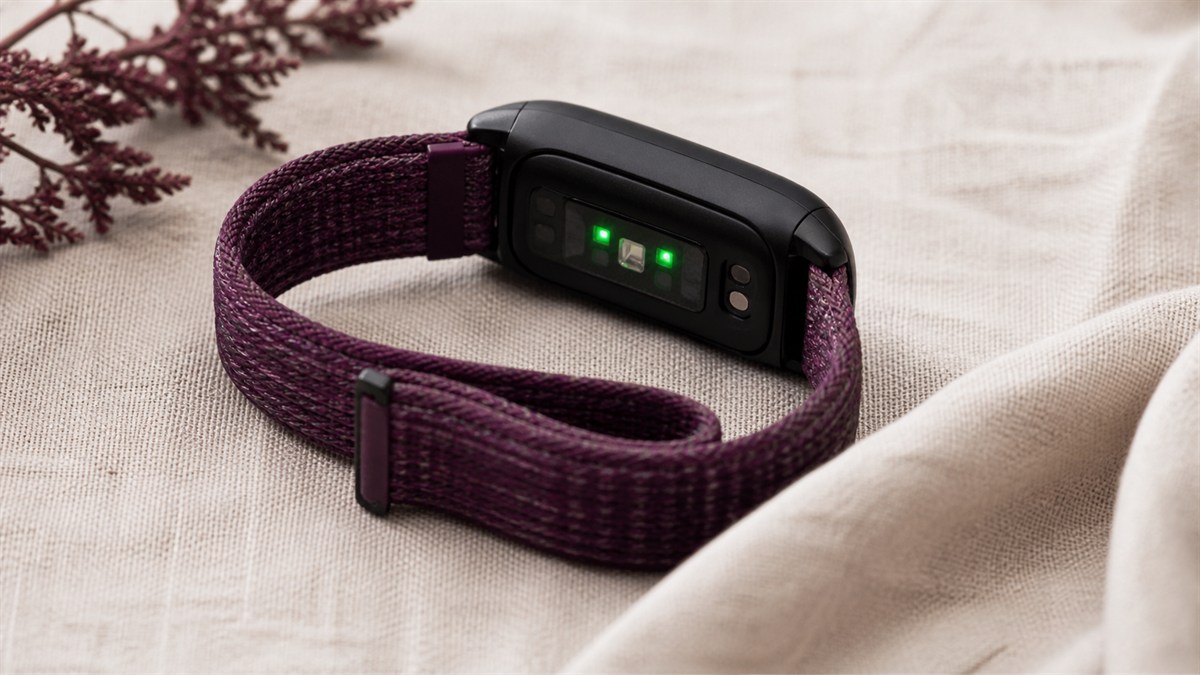
Every sleep device is a set of sensors plus a model. The sensors measure a handful of physical quantities. Everything else on your dashboard is inference, and the quality of that inference varies enormously.
The short version
- Movement and heart rate are measured. Sleep stages are inferred from them.
- Contactless devices cannot measure heart rate variability, skin temperature, or blood oxygen, because those require skin contact.
- One bedside sensor mat has shown around 88 percent sensitivity for moderate-to-severe sleep apnoea, comparable to some home sleep tests.
- Duration and timing are the most reliable outputs. Stage percentages are the least.
What the sensors actually do
An accelerometer detects movement. Photoplethysmography shines light through skin to detect pulse and infer heart rate and beat-to-beat variability. A thermistor reads skin temperature. Pulse oximetry estimates blood oxygen saturation. A contactless mat uses pneumatic pressure sensing and sometimes a microphone.
Everything a device tells you about sleep stages is derived from combinations of these inputs through a proprietary model, validated against polysomnography with varying rigour and disclosed with varying honesty.
The trade-off between comfort and depth
Contactless devices are genuinely pleasant to use because you do not wear anything. The cost is biometric depth. Without skin contact there is no heart rate variability, no temperature, no blood oxygen. For someone tracking recovery through HRV trends, that rules out the category entirely.
Conversely, the apnoea screening performance of a good bedside mat, in the region of 88 percent sensitivity for moderate-to-severe cases, is a genuinely useful capability that most wrist devices do not match.
Reading your data sensibly
Trust duration and timing. Treat stage percentages as directional. Ignore single-night changes almost entirely, since night-to-night variability in healthy people is large.
And when comparing devices, compare them on which questions they can answer rather than on which produces the nicer graph. A device that screens for apnoea and a device that tracks HRV are answering different questions, and neither replaces the other.
Sensor by sensor
Reliable for movement and therefore reasonable for sleep versus wake. The foundation of every wrist-based estimate and, on its own, weak at staging.
Gives pulse and beat-to-beat variability. Requires skin contact and good fit. Motion and cold hands degrade it.
Pressure and acoustic sensing under the mattress. Comfortable, good for breathing pattern and snoring, and unable to provide any contact-dependent metric.
Common questions
Which device is most accurate?
Depends on the metric. For duration and timing most modern devices are adequate. For staging, all consumer devices diverge from laboratory measurement.
Can a tracker diagnose sleep apnoea?
No. Some can flag patterns worth investigating, and diagnosis requires a proper sleep study. A flag is a reason to see a clinician, not a result.
Sources
- Best sleep tracking devices of 2026 — https://www.circular.xyz/post/best-sleep-tracking-devices
- AI health wearables 2026 guide — https://www.aimagicx.com/blog/ai-health-wearables-smart-rings-monitors-guide-2026