
What happens at night
Sleep architecture
Stages, timing, regularity, and how accurately consumer devices estimate any of it.
- Sleep stages and cycles
- Regularity versus duration
- Tracker validation
- Insomnia treatment
This week
The trend brought welcome attention to rest. It also stacked genuinely supported practices with unsupported ones and sold the whole bundle at once.

Rest is the most researched and most commercialised part of health. We separate the two.
What happens at night
Stages, timing, regularity, and how accurately consumer devices estimate any of it.
Between the efforts
Heart rate variability, thermal exposure, readiness scores, and what recovery actually means physiologically.
The hours before bed
Light, temperature, and the supplement stack that has grown around bedtime.
Each piece gets re-read when new trial data lands. Filter by section to see what changed.
Sleep architectureThe trend brought welcome attention to rest. It also stacked genuinely supported practices with unsupported ones and sold the whole bundle at once.
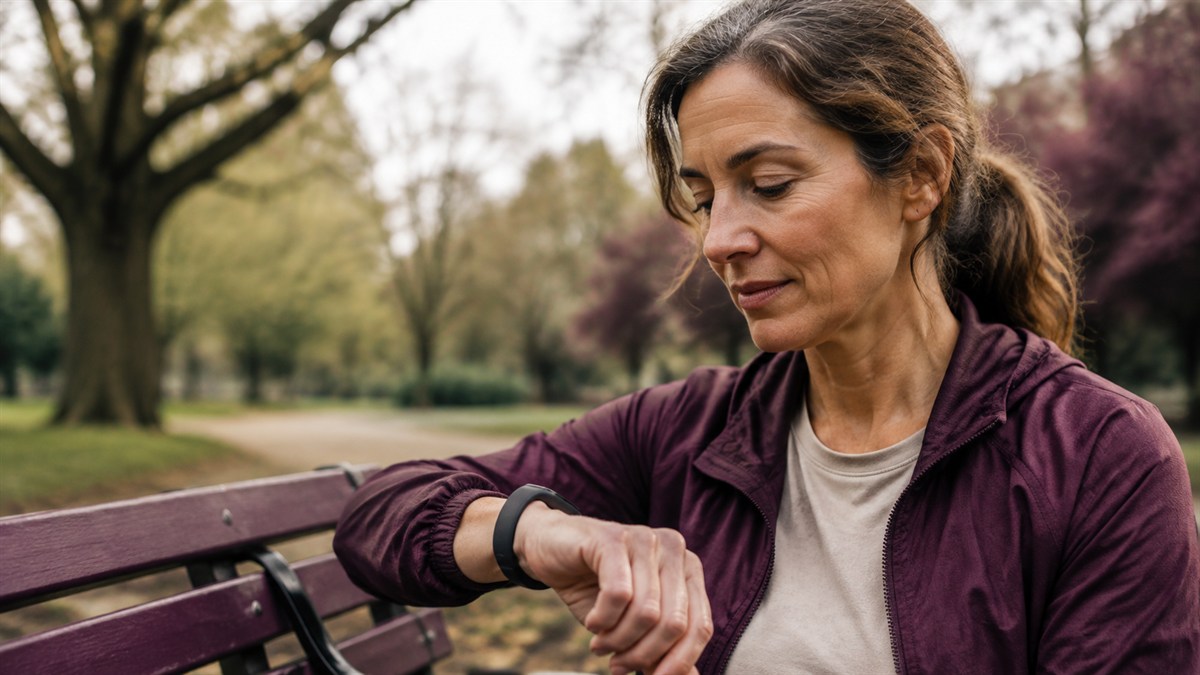 Recovery and the nervous system
Heart rate variability is a genuinely useful signal read over weeks and a nearly useless one read every morning.
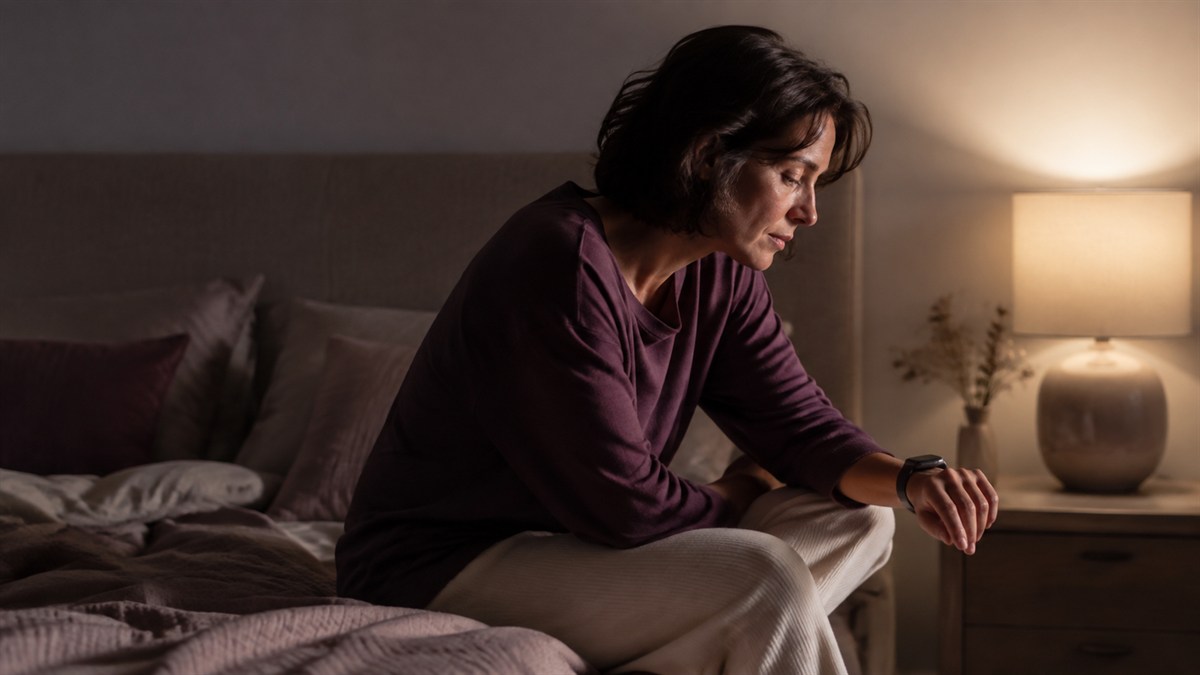 Sleep architecture
Clinicians have been describing this for years. The trend that made sleep tracking universal made the problem larger.
 Evening protocols
Magnesium, L-theanine, apigenin, tart cherry and the rest, sorted by how much human evidence sits behind each.
 Sleep architecture
Irregular sleep timing is associated with cardiovascular events independently of how long people sleep. It is also the cheapest thing to fix.
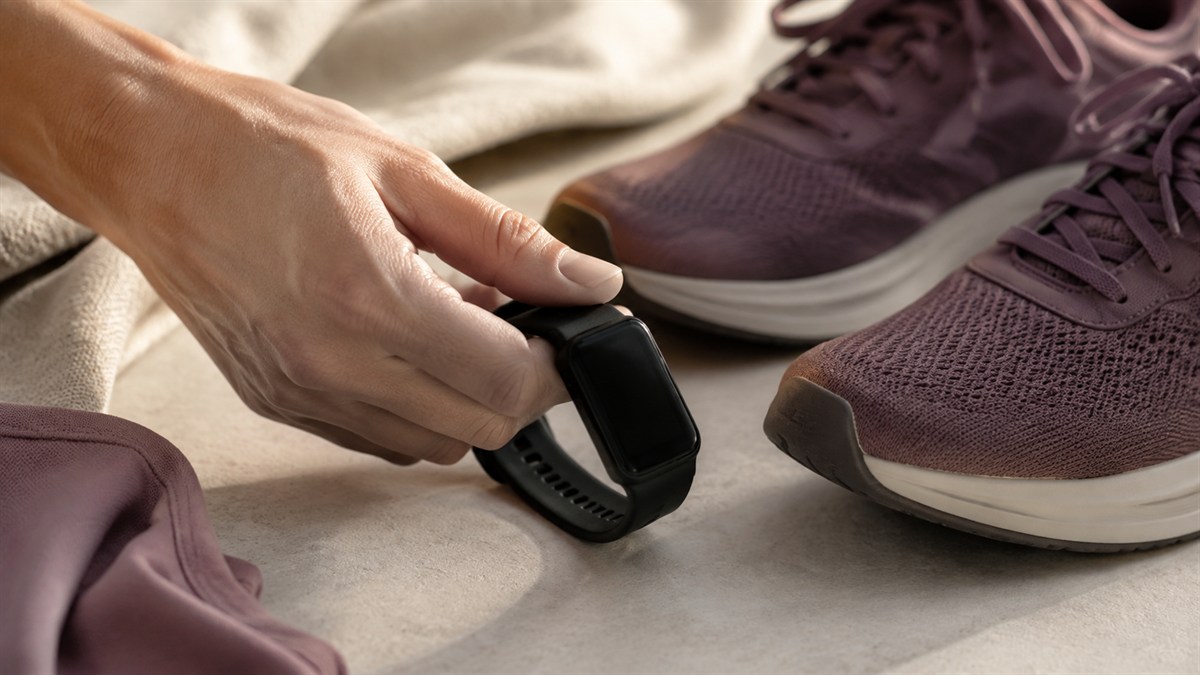 Recovery and the nervous system
Two devices reading the same body produce different scores because they weight inputs differently. Neither weighting has been validated against outcomes.
Stories in progress, with roughly where they stand. Vote to tell the desk what to prioritise.
We publish sleep scientists, behavioural sleep medicine clinicians, physiologists, and people who have read the tracker validation literature.
Architecture, circadian timing, regularity, and what the polysomnography literature says about consumer estimates of all three.
Heart rate variability, autonomic balance, thermal exposure, and the difference between a recovery score and recovery.
Why the interventions with the strongest evidence are the hardest to sell, and how people actually adopt them.
Longer pieces we keep sending people back to.
Sleep architectureThe trend brought welcome attention to rest. It also stacked genuinely supported practices with unsupported ones and sold the whole bundle at once.
Sleep architectureClinicians have been describing this for years. The trend that made sleep tracking universal made the problem larger.
Recovery and the nervous systemHeart rate variability is a genuinely useful signal read over weeks and a nearly useless one read every morning.
Keeps pages loading and remembers this choice. Always on.
Anonymous page counts so we know which articles to update first.
Remembers your sections so the homepage leads with them.